
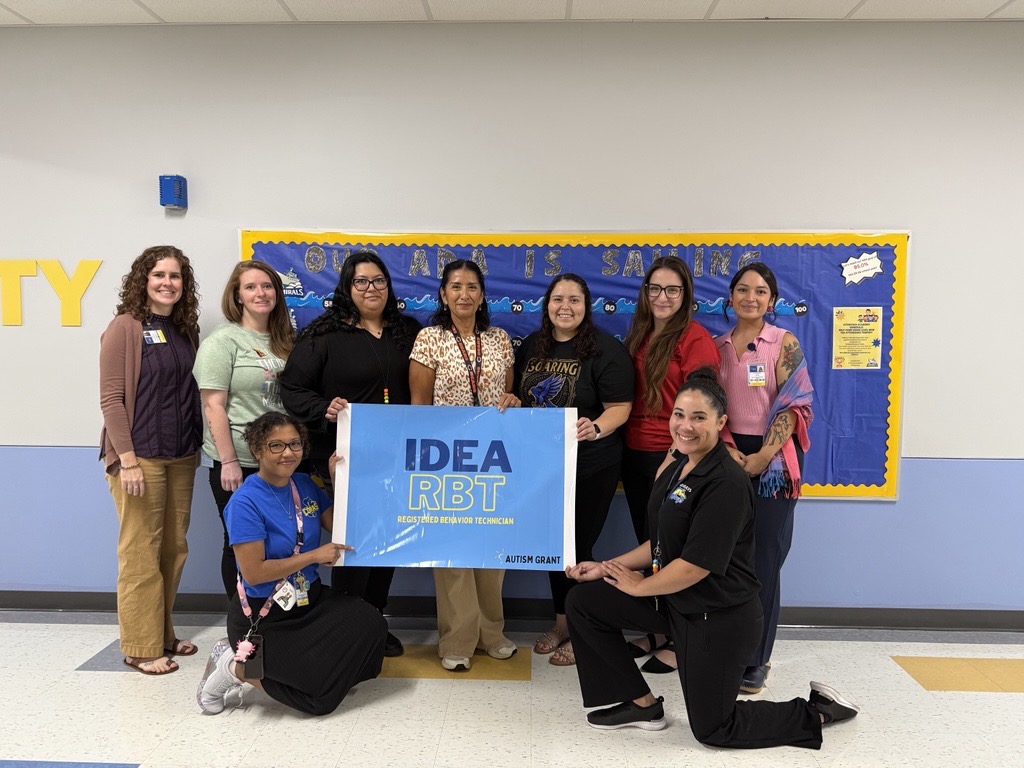

World Behavioral Analysis Day (WBAD) offers an important opportunity to pause and reflect on how Applied Behavior Analysis (ABA) supports students, educators, and campus communities across IDEA. While WBAD serves as a moment of recognition, the impact of this work extends far beyond a single day. Behavior analysis shows up daily—in classrooms, coaching conversations, data reviews, and moments of connection that help students build skills and thrive.
This feature highlights three IDEA Board-Certified Behavior Analysts (BCBAs) whose work reflects collaboration, compassion, and a deep commitment to public education:
Jane Gunselman, Christina Piña, and Sheila Samudio.
Behavior analysis is most impactful when it’s rooted in education, experience, and a deep understanding of how students learn and communicate. For Jane Gunselman, years spent in special education classrooms continue to shape how she coaches teachers and supports campuses—always with the belief that public education offers powerful opportunities for students and families.
🌟 Jane Gunselman, BCBA
Bio
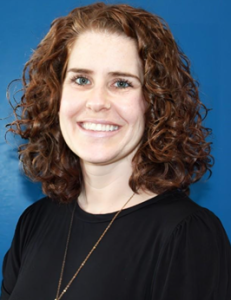
Jane Gunselman has spent her entire career in public education. She served as a special education teacher for seven years, an Early Childhood Special Education (ECSE) Program Specialist for two years, and has worked as a BCBA for the past six years. Jane supports RISE classrooms on the west side of the San Antonio region and is deeply committed to the belief that public education provides supports for students and families that cannot be replicated elsewhere. Outside of work, she enjoys hiking, camping, and spending time with her family.
What inspired you to become a BCBA?
During my second year of teaching, I collaborated closely with a BCBA and a former RBT, and their insights into student behavior immediately resonated with me. That experience sparked my interest in understanding behavior more deeply. I went on to earn a Master’s degree in Special Education with an emphasis in Autism Intervention, followed by a graduate academic certificate in Applied Behavior Analysis.
What does your role at IDEA involve?
I support west‑side San Antonio campuses, primarily coaching teachers and co‑teachers in RISE classrooms. I collaborate closely with administrators and key stakeholders to strengthen instructional practices. My work often includes collecting brief data, analyzing context, and modeling or introducing ABA strategies in real time, as well as providing targeted training when additional support is needed.
Why is World Behavioral Analysis Day meaningful to you?
I’ve seen firsthand how ABA creates meaningful, lasting change for students and families—helping individuals stay safe, build communication skills, and gain independence. I hope readers feel empowered to play an active role in supporting behavior change and remember that none of us does this work alone. Progress truly happens when we work together.
At the core of behavior analysis is the belief that meaningful change happens through patience, consistency, and human connection. From supporting regulation to building independence, this work often begins with small moments that grow into lasting skills. Christina Piña’s journey reflects that belief: grounded in service, shaped by collaboration, and guided by a trauma‑informed approach that centers student dignity and growth.
🌟 Christina Piña, BCBA
Board Certified Behavior Analyst • Regional Special Programs

Bio
Christina Piña was born and raised in San Antonio and earned her bachelor’s degree in Psychology from UTSA. After serving as a City Year Corps Member and teaching English abroad in Thailand, she returned home during the COVID‑19 pandemic and began working as a Registered Behavior Technician (RBT). That experience inspired her to pursue a Master’s degree in Applied Behavior Analysis at the University of North Texas. Christina became a BCBA in 2023 and joined IDEA Public Schools in 2024. She is currently pursuing a Master’s degree in Clinical Mental Health Counseling and practices from a trauma‑informed, student‑centered lens that prioritizes dignity, autonomy, and student assent.
What inspired you to become a BCBA?
What inspired me most was seeing how meaningful progress—sometimes very small at first—can significantly improve students’ daily lives. Those small gains build over time and lead to greater independence. Being part of that process and watching students gain skills that help them navigate the world more successfully is incredibly rewarding.
What does your role at IDEA look like in practice?
I support RISE classroom teams as part of the Special Programs regional team. My work includes coaching teachers and co‑teachers, helping develop visuals and behavior support tools, and assisting with data collection and analysis so interventions can be adjusted based on what the data shows. Behavior analysis on campus is highly collaborative and focuses on understanding the function of behavior, teaching replacement skills, and creating classroom routines that support regulation and engagement.
Why is World Behavioral Analysis Day important to you?
World Behavior Analysis Day highlights how ABA improves lives and celebrates the professionals doing this work. In schools, it’s also a chance to recognize how behavior analysis supports not just individual students, but entire classrooms—helping create environments where students feel supported, regulated, and able to learn. This work truly takes a team.
Across IDEA campuses, collaboration is at the heart of effective behavior support. Whether through coaching, modeling strategies, or reinforcing positive behavior, behavior analysts work alongside teachers to translate research into practical tools that fit real classrooms. That partnership is central to the work Sheila Samudio leads every day.
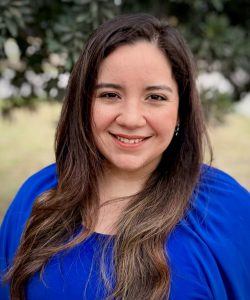
🌟 Sheila Samudio, BCBA
Sr Board Certified Behavior Analyst • Regional Special Programs
Bio
Sheila Samudio is a Board-Certified Behavior Analyst with over 10 years of experience in Applied Behavior Analysis and six years as a BCBA. She began her career providing home‑based ABA services before transitioning into the school setting. For the past five years at IDEA, Sheila has partnered with campus teams to coach teachers, provide training, and translate ABA strategies into practical, manageable tools that support student success across classrooms.
What inspired you to become a BCBA?
Early in my career, I saw firsthand how behavior analysis helped individuals and families build skills and improve quality of life. When I transitioned into schools, I realized those same strategies could have a powerful impact on classrooms and student success. That perspective continues to shape how I support educators and campus teams today.
What does behavior analysis look like on an IDEA campus?
In practice, it looks like collaboration and problem‑solving with teachers. This might include teaching expectations, using visuals, reinforcing positive behavior, or breaking tasks into manageable steps. A big focus is understanding why behaviors are happening and helping teachers teach replacement skills that support success during everyday classroom routines.
What do you hope staff take away from World Behavioral Analysis Day?
I hope staff see how important collaboration is when supporting student behavior. Behavior analysis isn’t about controlling behavior—it’s about understanding behavior as communication. When educators intentionally reinforce positive behavior and work together using evidence‑based strategies, it makes a meaningful difference for students, classrooms, and school communities.
Moving Forward, Together
While World Behavior Analysis Day gives us a moment to celebrate, the work of behavior analysis continues every day across IDEA campuses. Through collaboration, consistency, and a shared belief in student potential, our behavior analysts partner with educators to create learning environments where students can regulate, communicate, and succeed.
Thank you to our IDEA behavior analysts and campus teams for the impactful, thoughtful work you do every day to support students and strengthen school communities.